Which sauna extras like chromotherapy lighting and audio are genuinely worth paying for?
Option lists on premium cabins are long and the mark-ups are real. An honest sorting of what improves the experience and what merely pads the invoice.
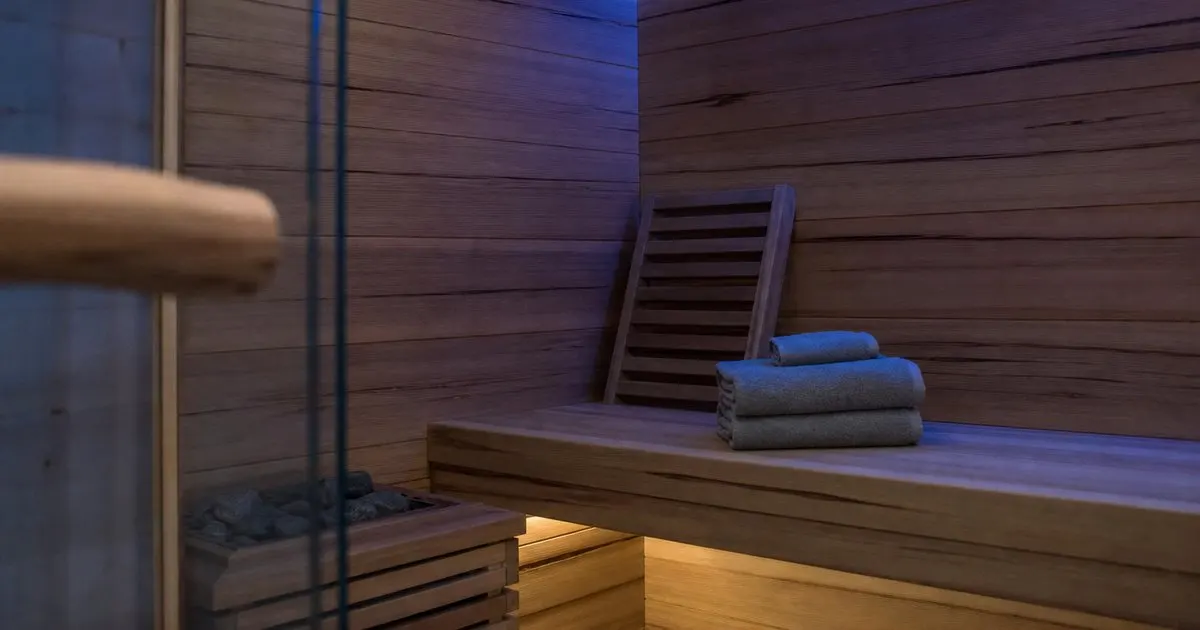
Lighting: what the color actually does
Chromotherapy lighting, meaning color changing LED panels in the ceiling, is now standard on many premium cabins and an upgrade on others. The claims made for specific colors and specific benefits are not well supported, and a buyer should treat them as decoration rather than therapy. That said, decoration matters in a room whose entire purpose is to make you relax. A well made light with a dim, warm setting and a slow fade is a genuine improvement over a bare bulb.
What separates a good lighting option from a poor one is not the number of colors but the quality of the driver and the placement. Look for flicker free dimming, a warm white mode that is actually warm, and a fixture rated for the heat of the cabin. Reading lights on the wall, exterior halo lighting around the door, and under bench lighting are all cheaper than they look on the option sheet and can transform how the cabin reads in a room. Related: Which room in a house is best suited to installing a private sauna?
Keep reading: How do infrared and traditional cabin saunas actually differ for a home installation?, What should you look for in the wood used to build a home sauna?, Which room in a house is best suited to installing a private sauna?. See how Saunluxe helps you the considered guide to infrared and cabin saunas for the home.
Audio: worth having, worth doing well
Music or a spoken program is how most owners actually pass a 30 minute session, so audio is among the most used options on any cabin. The question is quality. Small built in speakers driven by a controller module often sound thin and can introduce a faint hum, and the wireless module is one more electronic component living in a hot box. Heat rated speakers mounted high on the wall, fed from an amplifier outside the cabin, sound markedly better and last longer. Related: How do you tell a well built sauna cabin from a flimsy one?
If the cabin's factory audio is a modest upgrade, it is usually worth taking for convenience. If it is expensive, a better path is a cabin with speaker cutouts and a good pair of moisture resistant speakers of your own choosing. Either way, the volume you need in a small wooden room is low, and the cabin's own acoustics flatter the sound more than any equipment.
Extras to approach with skepticism
Ionizers and any device marketed as producing ozone inside the cabin should be declined outright. Ozone is a lung irritant, and generating it in a small sealed space where you breathe deeply is a poor idea regardless of the marketing. Salt panels lit from behind look handsome and that is the honest limit of their contribution; claims of respiratory benefit from a decorative panel in a dry cabin do not hold up.
Touchscreen controllers and phone apps deserve a middle rating. Being able to start the cabin from the kitchen so it is ready when you arrive is a real convenience that changes how often you use it. A large screen on the interior wall, however, is a bright object in a room you are trying to dim, and the app is only as good as the company's commitment to keeping it updated for years.
The unglamorous options that earn their cost
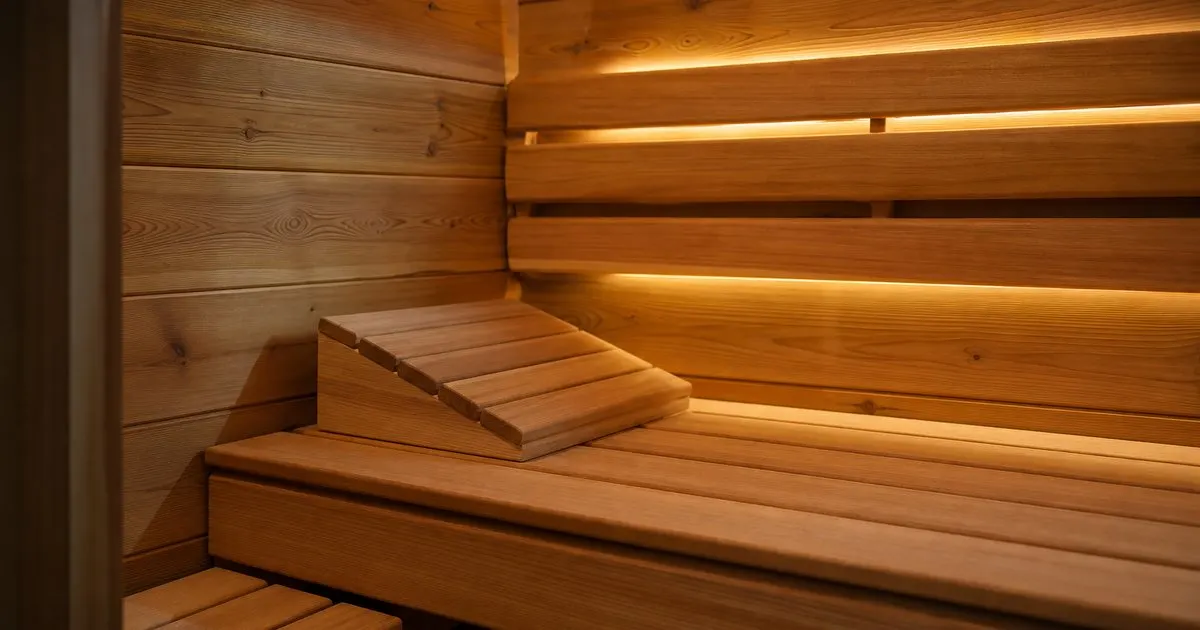
Ergonomic backrests, a properly contoured bench, and a footrest or floor heater are rarely photographed and always appreciated. Sitting upright against flat cedar for half an hour is tolerable; reclining against a shaped backrest is pleasant, and the difference is what determines whether you use the cabin four times a week or four times a month. Bench cushions rated for sauna heat are inexpensive and worthwhile. Related: How do infrared and traditional cabin saunas actually differ for a home installation?
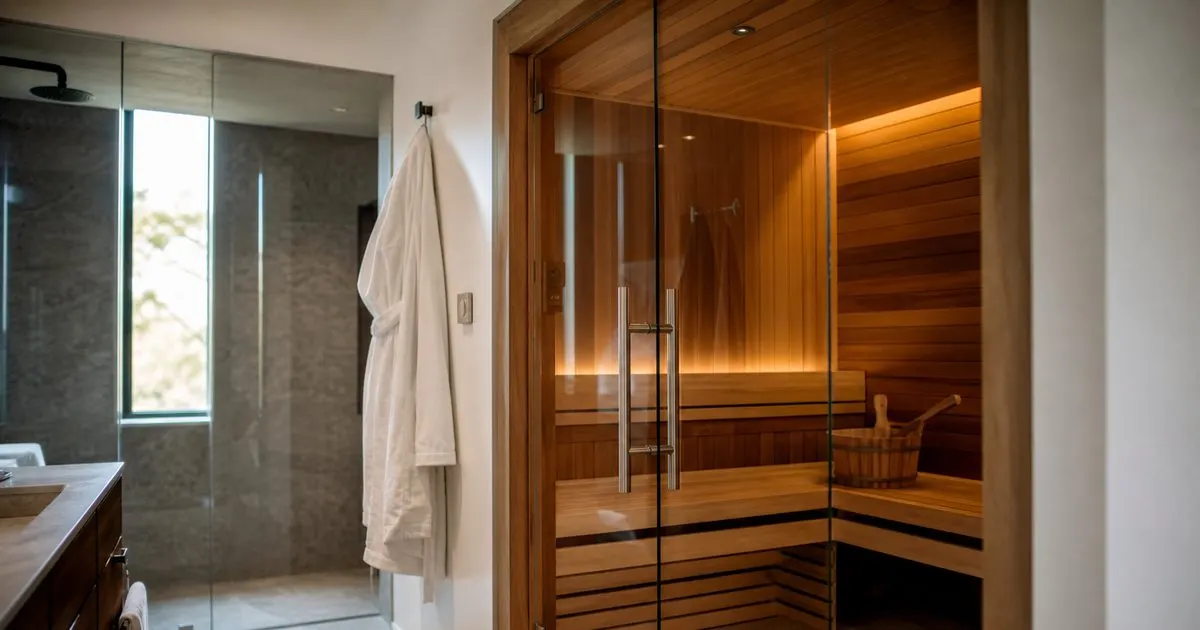
A full glass front or a larger glass door costs more and makes a small cabin feel far less confining, which matters for anyone even slightly claustrophobic. Extra heaters in the floor or at calf height on an infrared model, where the base package sometimes leaves the lower legs cool, are often the most effective upgrade money available. If this guide links to a retailer we may earn a commission, so weigh our view against your own priorities rather than the option sheet. Related: Are far infrared and full spectrum heaters worth the premium in a sauna?
- Chromotherapy is decoration, not treatment; pay for lighting quality and dimming rather than a color count.
- Audio is the most used extra, so prefer heat rated speakers fed from outside the cabin over thin built in modules.
- Decline ozone generating ionizers and treat salt panels as ornament.
- Backrests, better benches, larger glass, and added lower body heaters change daily use more than any screen.

Julien Jimenez
Julien Jimenez is an independent software builder based in Paris. He designs, ships, and operates focused SaaS products for small businesses and independent professionals. Read the full author page.
The Home Sauna, Chosen Well
The considered guide to infrared and cabin saunas for the home. Saunluxe is built to help you put this into practice.
Get the sauna guideMore from the Saunluxe blog
Get the complete home saunas guide
Our full buying guide, the price guide, and new research as we publish it. One email, no spam, unsubscribe any time.