Heater type and quality
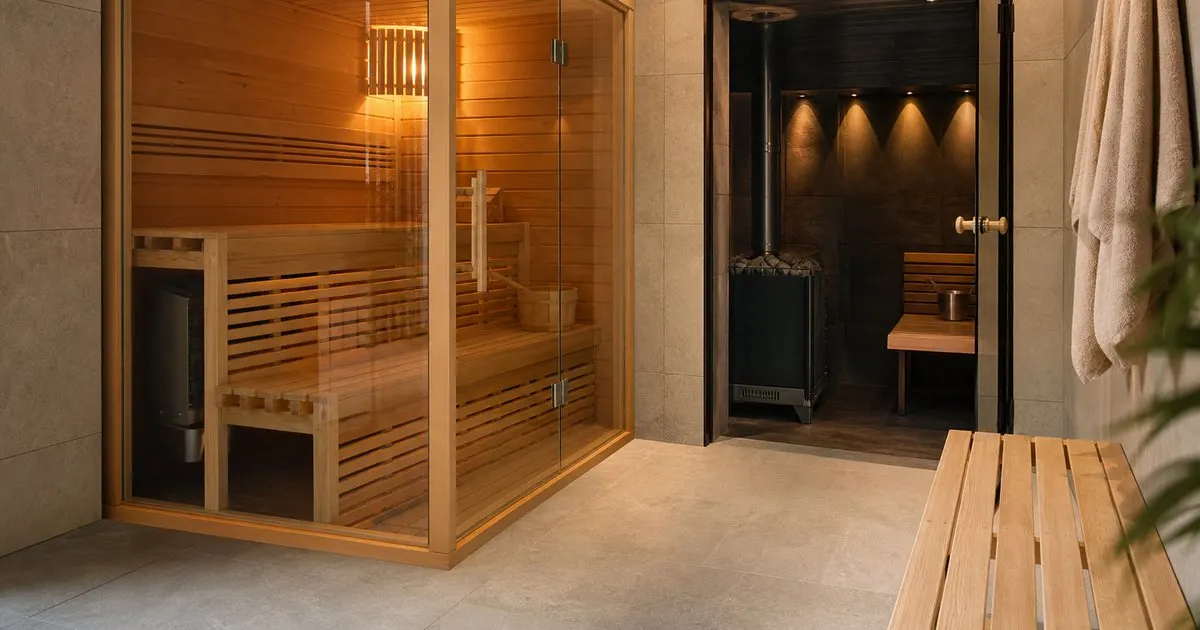
Whether far-infrared, full-spectrum, or a traditional electric or wood stove, the heat source defines the experience. Look at heater coverage, warm-up behavior, and how evenly the cabin reaches temperature rather than the peak number alone.
Wood species and grade
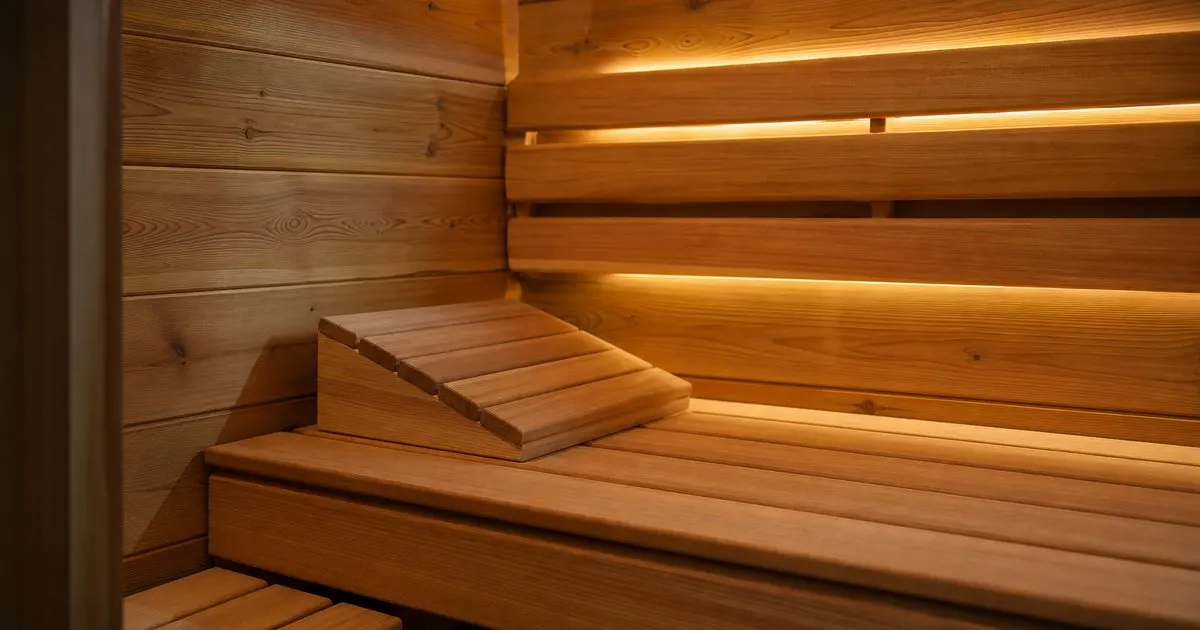
Clear, knot-minimal cedar, hemlock, aspen, or basswood behave differently under heat and humidity. The best cabins use stable, low-resin timber that stays comfortable to touch and ages gracefully instead of warping or weeping.
Cabin construction
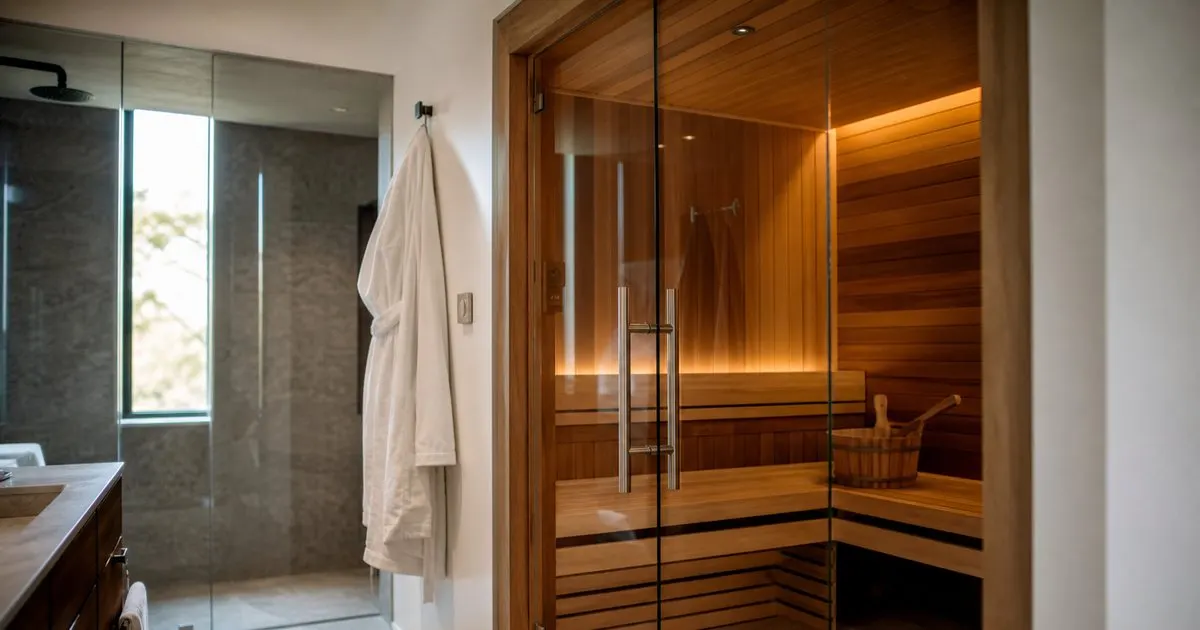
Double-wall panels, tight tongue-and-groove joinery, and a well-sealed door hold heat and keep the cabin efficient. Flex in the bench, gaps at the seams, and a rattling door all signal a build that will loosen over time.
Electrical and heat load
Sauna heaters draw real power. A quality specification tells you the circuit, voltage, and whether a dedicated line is needed, so the installation is safe and the heater performs as intended rather than tripping or underheating.
Controls and safety
Look for accurate temperature control, a reliable timer, over-temperature protection, and clear certification. Considered brands make the controls simple to read and the safety cutoffs invisible until you need them.
Ventilation and airflow
A sauna needs to breathe. Intake and exhaust placement govern how fresh the air feels and how quickly the cabin dries after use, which in turn protects the wood and keeps the space free of stale odor.