What should you look for in the wood used to build a home sauna?
The timber is not cosmetic. Species, grade, and how it is dried decide comfort, durability, and how the cabin ages.
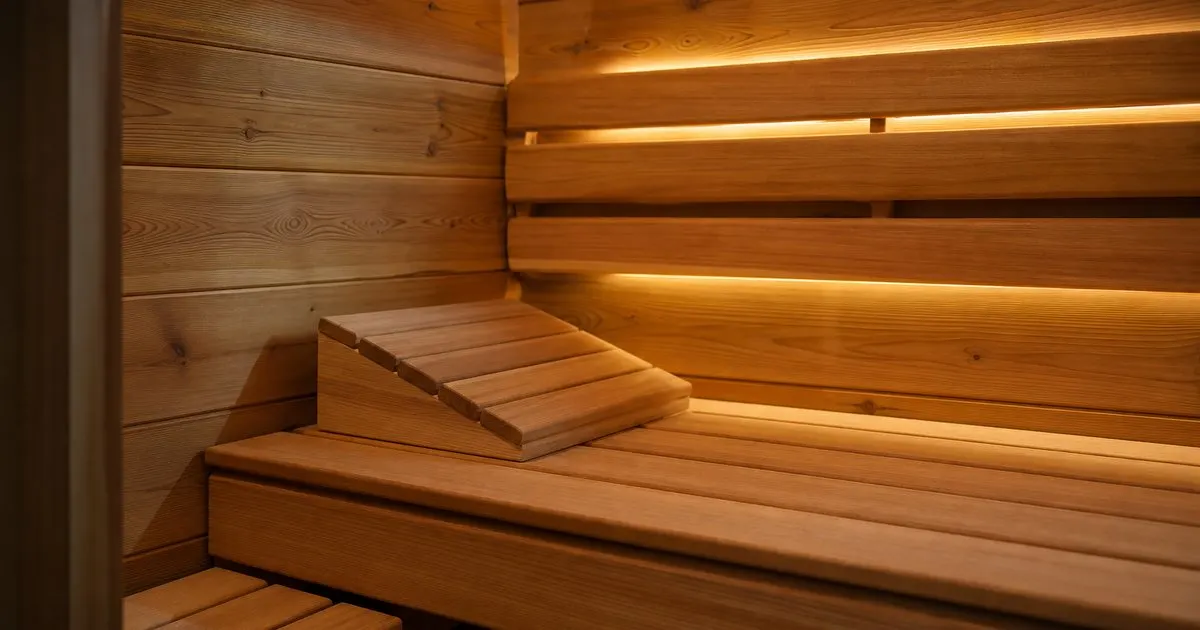
Look for a stable, low-resin species such as cedar, hemlock, aspen, or basswood, chosen in a clear, knot-minimal grade for comfort and durability. Favor double-wall construction with tight tongue-and-groove joinery, and keep the interior wood untreated so it can breathe and age cleanly under heat.
Why wood choice matters
Wood is the surface you touch, breathe near, and rely on to withstand years of heat and moisture. A stable, low-resin timber stays comfortable against skin and resists warping, while a poor choice can weep sap, splinter, or feel unpleasantly hot to the touch.
Because a sauna cycles between hot and cool, the wood must handle expansion and contraction without loosening the joinery. The species and how thoroughly it was kiln-dried determine whether the cabin stays tight and quiet or develops gaps and creaks over time. Related: How do infrared and traditional cabin saunas actually differ for a home installation?
Keep reading: How do infrared and traditional cabin saunas actually differ for a home installation?, Which room in a house is best suited to installing a private sauna?, How much space and electrical capacity does a luxury home sauna really require?. See how Saunluxe helps you the considered guide to infrared and cabin saunas for the home.
Common species and their character
Cedar is prized for its stability, aroma, and resistance to moisture, which makes it a longtime favorite for fine cabins. Hemlock offers a cleaner, more neutral scent and a paler look, appealing to those who find cedar's fragrance too strong. Related: Which makes more sense for a home sauna, a custom built room or a prefabricated cabin?
Aspen and basswood are light, nearly odorless, and gentle on sensitive users, often chosen for benches and backrests where skin contact matters most. Each has a place, so the right pick depends on the scent, look, and feel you want to live with.
Grade and construction details
Within any species, grade matters. Clear, knot-minimal boards look refined and reduce the chance of a hot knot or a splinter, while lower grades with frequent knots can be less comfortable and less durable in a high-heat environment.
Look at how the boards are joined and how thick the walls are. Tight tongue-and-groove joinery and double-wall panels hold heat and stay stable, whereas thin single walls and loose seams tend to leak warmth and loosen as the wood moves.
Caring for the wood
Untreated interior wood is standard, since sealants and stains can off-gas or feel sticky under heat. Keeping the cabin well ventilated and letting it dry fully after each use does more to preserve the timber than any coating would. Related: How do you tell a well built sauna cabin from a flimsy one?
A light routine of wiping benches and airing the cabin keeps the wood clean and pale for years. When you compare cabins, ask about the species, the grade, and the wall construction, since those three details predict how gracefully the sauna will age. Related: What ongoing care and maintenance does a fine home sauna genuinely need?
- Favor stable, low-resin species like cedar, hemlock, aspen, or basswood.
- Clear, knot-minimal grades are more comfortable and durable than knotty boards.
- Double walls and tight tongue-and-groove joinery hold heat and stay stable.
- Leave interior wood untreated and dry the cabin well after each use.

Julien Jimenez
Julien Jimenez is an independent software builder based in Paris. He designs, ships, and operates focused SaaS products for small businesses and independent professionals. Read the full author page.
Frequently asked questions
Is cedar always the best sauna wood?
Cedar is excellent for stability and aroma, but it is not the only good choice. If you find its scent strong or want a paler look, hemlock, aspen, or basswood can be more comfortable while still performing well.
Should sauna wood be sealed or treated?
Interior wood is usually left untreated, because coatings can off-gas or feel unpleasant under heat. Good ventilation and drying the cabin after use protect the timber far better than a sealant would.
The Home Sauna, Chosen Well
The considered guide to infrared and cabin saunas for the home. Saunluxe is built to help you put this into practice.
Get the sauna guideMore from the Saunluxe blog
Get the complete home saunas guide
Our full buying guide, the price guide, and new research as we publish it. One email, no spam, unsubscribe any time.