What ongoing care and maintenance does a fine home sauna genuinely need?
A quality sauna asks for little, but the small routine you keep decides how clean and long-lasting it stays.
A fine sauna needs little: dry it fully after each use with the door and vents open, wipe the benches, and sit on a towel to protect the wood. Periodically clean gently without harsh chemicals, check the heater and controls, and tighten any joinery that loosens over the years.
The daily and after-use basics
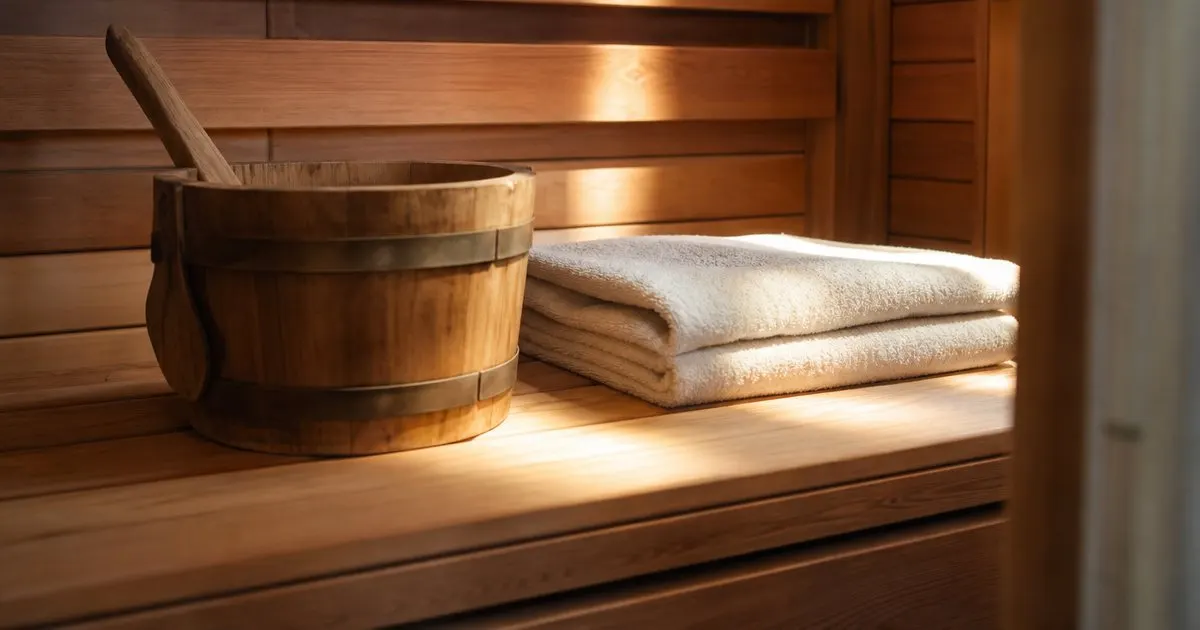
The single most valuable habit is letting the cabin dry fully after each session. Leaving the door ajar and the ventilation open lets moisture escape, which keeps the wood pale and prevents the stale odor that plagues neglected saunas. Related: How do infrared and traditional cabin saunas actually differ for a home installation?
Wiping the benches where skin makes contact takes moments and does most of the cosmetic work. Using a towel to sit on further protects the wood, keeping oils and sweat off the surfaces you touch most and reducing how often deeper cleaning is needed.
Keep reading: How do infrared and traditional cabin saunas actually differ for a home installation?, What should you look for in the wood used to build a home sauna?, Which room in a house is best suited to installing a private sauna?. See how Saunluxe helps you the considered guide to infrared and cabin saunas for the home.
Periodic cleaning
Every so often the interior benefits from a gentle wipe with mild, sauna-safe cleaning and, where recommended, a light sanding of the benches to refresh the surface. Harsh chemicals and sealants are best avoided, since heat can make them off-gas or feel unpleasant. Related: Which room in a house is best suited to installing a private sauna?
Keep the floor and any drain area clean, and check that ventilation openings are clear. A few minutes of attention now and then prevents buildup, so the cabin stays as fresh as the day it was installed.
Caring for the heater and controls
Infrared panels ask for almost nothing beyond keeping them dust-free and unobstructed. Traditional stoves need their stones checked and occasionally rearranged or replaced as they degrade, and any water added should suit the heater's guidance. Related: Are far infrared and full spectrum heaters worth the premium in a sauna?
Test the controls, timer, and safety cutoffs periodically so you catch a fault early. Reputable systems are reliable, but a quick check that the temperature reads true and the timer works keeps the sauna both safe and predictable.
Longevity over the years
Most wear shows up when a cabin is used hard and dried poorly, so ventilation and drying are the true keys to longevity. A sauna that breathes well between sessions can look and feel excellent for a decade or more. Related: What should you look for in the wood used to build a home sauna?
Keep an eye on the door seal and the joinery over time, tightening anything that loosens. These small interventions are the difference between a cabin that quietly holds up and one that slowly develops gaps, creaks, and heat loss.
- Drying the cabin fully after each use is the most important habit.
- Wipe benches, sit on a towel, and avoid harsh chemicals or sealants.
- Keep ventilation clear and, for stoves, check the stones periodically.
- Watch the door seal and joinery, tightening anything that loosens.

Julien Jimenez
Julien Jimenez is an independent software builder based in Paris. He designs, ships, and operates focused SaaS products for small businesses and independent professionals. Read the full author page.
Frequently asked questions
How do I stop my sauna smelling stale?
Let it dry completely after every session by leaving the door open and the ventilation clear. Most stale odor comes from trapped moisture, so drying is far more effective than any cleaner.
Can I use regular cleaning products in a sauna?
Avoid harsh chemicals and sealants, since heat can cause them to off-gas or feel unpleasant. Use mild, sauna-safe cleaning sparingly and rely mostly on drying and light wiping.
The Home Sauna, Chosen Well
The considered guide to infrared and cabin saunas for the home. Saunluxe is built to help you put this into practice.
Get the sauna guideMore from the Saunluxe blog
Get the complete home saunas guide
Our full buying guide, the price guide, and new research as we publish it. One email, no spam, unsubscribe any time.