Are far infrared and full spectrum heaters worth the premium in a sauna?
Full-spectrum systems cost more than basic far-infrared. Whether the upgrade earns its keep depends on how you plan to use the cabin.
Full-spectrum heaters add near and mid infrared for a broader, more intense feel, which dedicated daily users may find worth the premium. For a first or occasional sauna, a well-built far-infrared cabin usually offers better value, since heater coverage, placement, and cabin quality shape satisfaction more than the spectrum label.
What the terms mean
Far-infrared is the most common form of infrared heating and warms the body gently and deeply at comfortable air temperatures. It is well understood, efficient, and the backbone of most home infrared cabins on the market. Related: How long should a beginner stay in a home infrared sauna each session?
Full-spectrum systems add near and mid infrared alongside far infrared, aiming to broaden the range of wavelengths. Proponents value the variety and the warming feel, and these systems typically command a higher price and appear on flagship cabins.
Keep reading: How do infrared and traditional cabin saunas actually differ for a home installation?, What should you look for in the wood used to build a home sauna?, Which room in a house is best suited to installing a private sauna?. See how Saunluxe helps you the considered guide to infrared and cabin saunas for the home.
How the experience differs
In practice, a good far-infrared cabin already delivers a satisfying, enveloping warmth that most users find more than sufficient. The gentle heat suits long, relaxed sessions and is easy to build into a regular routine. Related: How do you tell a well built sauna cabin from a flimsy one?
Full-spectrum cabins can feel more intense and varied, which appeals to enthusiasts who want the broadest experience and fine control. Whether you notice the difference enough to justify the cost is personal, and worth testing rather than assuming.
Weighing the premium
The upgrade makes most sense for dedicated users who will sit often and want the fullest version of infrared heat, or who simply value having the top specification. For them, the added wavelengths and control can feel worth the outlay. Related: Why does a home sauna room need dedicated ventilation and moisture control?
For a first sauna, or for occasional use, a well-built far-infrared cabin usually delivers the better value. The quality of the panels, their coverage, and the cabin construction matter more to daily satisfaction than the spectrum label alone. Related: How do infrared and traditional cabin saunas actually differ for a home installation?
What to check either way
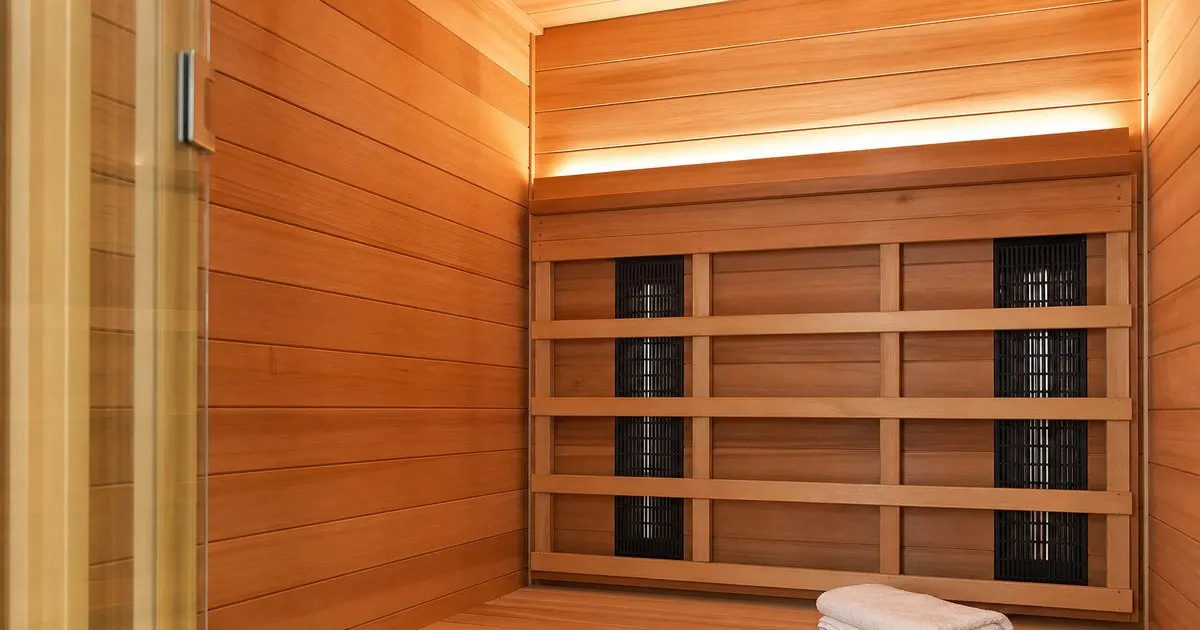
Look at heater coverage and placement rather than just the type. Panels that surround the body evenly, including low near the legs, produce a far better session than a higher-spec system with sparse or poorly placed emitters.
Consider low-EMF designs and the quality of the emitters, which reputable makers detail openly. A thoughtfully engineered far-infrared cabin can outperform a full-spectrum one that skimps on coverage, so judge the whole heater system, not the headline.
- Far-infrared warms gently and deeply and satisfies most home users.
- Full-spectrum adds wavelengths and control at a higher price.
- Heater coverage and placement matter more than the spectrum label.
- For a first or occasional sauna, quality far-infrared is usually better value.

Julien Jimenez
Julien Jimenez is an independent software builder based in Paris. He designs, ships, and operates focused SaaS products for small businesses and independent professionals. Read the full author page.
Frequently asked questions
Is full-spectrum infrared noticeably better than far infrared?
Some enthusiasts feel a broader, more intense warmth, but many users are fully satisfied with quality far-infrared. It is worth trying both if you can, since the difference is personal and not guaranteed to justify the added cost.
What matters more than the heater type?
Coverage and placement of the panels, plus the cabin's construction and ventilation. Emitters that surround the body evenly, including near the legs, do more for the experience than a higher spectrum rating alone.
The Home Sauna, Chosen Well
The considered guide to infrared and cabin saunas for the home. Saunluxe is built to help you put this into practice.
Get the sauna guideMore from the Saunluxe blog
Get the complete home saunas guide
Our full buying guide, the price guide, and new research as we publish it. One email, no spam, unsubscribe any time.